A MASSIVE DEBUT
Author: BRUCE JENKINS Date Posted:7 August 2026
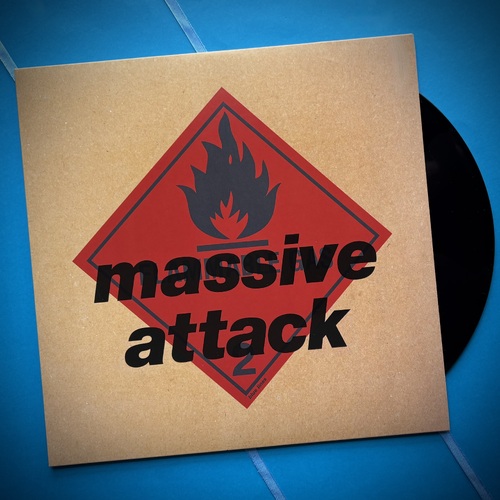
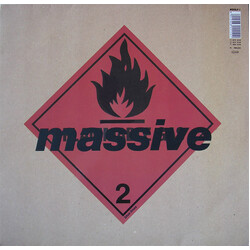
The Wild Bunch was an ultra-violent 1969 Western directed by Sam Peckinpah. It was also the name of a Bristol (UK) sound system collective active in the early-to-mid 1980s. Adopting Jamaican sound system principles, the DJ tribe drew from reggae and dub, funk, punk, soul, early hip-hop and club culture. After the Wild Bunch dissolved, several key participants carried that open-eared, collaborative approach into Massive Attack. Their debut album, Blue Lines, arrived in 1991 and is considered the founding document of what critics would soon call "trip-hop" (though the band always resisted that label).
Musically, "Blue Lines" fused hip-hop's sampling and beat sensibility with reggae/dub bass weight, soul and jazz atmospherics, and a slow, smoked-out tempo that felt completely different from the upbeat rap and house dominating charts at the time. Rather than a single front person, the record rotates vocalists — 3D and Daddy G rapping, Shara Nelson singing with aching soul power, reggae legend Horace Andy contributing his unmistakable falsetto, and Tricky (then an unknown local) delivering strange, mumbled verses that hinted at his own future career. No single voice or genre dominates the record.
What makes Blue Lines special is how it holds contradictory moods in balance. It is simultaneously cool and unsettling, minimal and dense, danceable and introspective. The production — largely managed by engineer Jonny Dollar — favours space over clutter, letting samples breathe rather than piling them up. There's a paranoid, nocturnal quality running underneath the smoothness, a sense of menace beneath the lounge-y surface, which is part of why it still sounds vital rather than dated.
“Safe From Harm” is the perfect introduction. Its opening bassline — built from Billy Cobham’s “Stratus”— is dark and almost physical, while Shara Nelson’s vocal somehow manages to be both languid and edgy. The track’s promise of protection carries a faint threat: safety is something desired because danger is nearby. Del Naja’s spoken interjections make the arrangement feel less like a conventional soul song than a fragment of private conversation overheard in a club at closing time. It establishes the album’s key contradiction: smoothness with edge.
Then there is “Unfinished Sympathy,” the album’s most famous moment and still one of the great singles of the 1990s. Nelson sings it with wounded clarity, turning a story of imperfect love into something grand and immediate. Behind her, the track’s programmed beat and scratches meet a real orchestral string arrangement — recorded at Abbey Road because synthesised strings felt inadequate. The result is startling: neither traditional soul ballad nor dance track, but a union of street-level rhythm and cinematic yearning.
“Five Man Army” makes the group’s dub and reggae inheritance most explicit. Horace Andy’s distinctive falsetto carries the melody over echoing guitar, clattering percussion and a rhythm that seems deliberately unhurried. It feels communal rather than showy, an example of how Massive Attack treated guest vocalists not as decorative features but as essential colours in a larger palette. “Hymn of the Big Wheel,” with Horace Andy again at the microphone, closes the album on an even wider scale: spiritual, reflective and subtly global in its musical reach. Its repeated idea that “the big wheel keeps on turning” gives the song the gravity of a hymn without losing the album’s low-lit sensuality.
At the time, Blue Lines helped demonstrate that British hip-hop-adjacent music did not need to adopt an American templar to be vital. It offered a blueprint for later Bristol artists including Portishead and Tricky, while influencing musicians far beyond any genre tag.
The album remains special because it has not fossilised into “the first trip-hop record.” Its production remains tactile, its moods still elusive, and its guests still sound like real people rather than marketing calculations. Blue Lines is an album of atmosphere: cool on the surface, intense at the core, and foundational without ever sounding like a museum piece.
© Bruce Jenkins—August 2026