PARKLIFE LIVES
Author: Bruce Jenkins Date Posted:24 March 2023

Like many journalistic hooks, the term Britpop was not well loved by the bands who were subject to the classification. Jarvis Cocker, lead singer of Pulp, told Pitchfork, "It’s just a shitty-sounding word. I don’t like the nationalistic idea of it; it wasn’t a flag-waving music. It was really distasteful when it got called 'Britpop' because that was like somebody trying to appropriate some kind of alternative culture, stick a Union Jack on it, and take the credit."
Yet the term stuck; a clumsy yet useful umbrella for a slew of 1990s bands that rewrote UK rock, tugging influence back from Seattle 'grunge' with classy, clever pop-rock that paid homage to the glory days of the 1960s while updating it with an end-of-millennium blast of glitz and guitar.
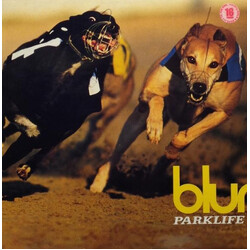
Blur—along with Oasis, Suede, Ash, Supergrass and other single-word bands—defined the time and the music. Their third album, Parklife, was released in April 1994. It topped the UK chart, spawned four Top 20 singles (UK) and is widely considered their finest work.
What was it about Parklife that somehow captured the spirit of the times? And why does it continue to delight audiences some thirty years later? Part of the answer lies with the content. The album's lyrics and themes resonated with a generation of young Brits who were disillusioned with the political and social climate of the time. The album's songs explored themes of nostalgia, class struggle, and urban life, striking a chord with many listeners.
Perhaps there is a recurring nostalgia still working its magic through these songs. The title track, for example, is a playful, upbeat song featuring a spoken-word performance by actor Phil Daniels. It describes a day in the life of an average bloke living in London; the song's catchy chorus has become a British anthem. "Bank Holiday", meanwhile, is a fast-paced flash of punk with a driving beat and distorted guitars. The lyrics describe the excitement and chaos of a bank holiday weekend in the UK, a time to cut loose and create mischief. There are shades of the Small Faces here, and indeed throughout the record.
Parklife broadened Blur’s sound from their previous guitar-driven and indie-focused rock. It marked a shift towards a more eclectic and diverse songbook, incorporating elements of dance, pop, and orchestral music. "To The End", for example, features Stereolab singer Laetitia Sadier on a slice of lush orchestral pop infused with melancholy. A total contrast is found in "Tracy Jacks", a jangly guitar-pop song that literally bounces along, while "Clover Over Dover", despite its nursery rhyme title, is a moving song about loneliness and despair. The record even has a far out drop of psychedelia called, er, "Far Out". It’s about astronomy. Few would disagree that the expansion of Blur’s musical range helped connect them with a much greater range of listeners.
For all the richness and variety Parklife remains a high energy album, even when it’s being socially critical ("Jubilee") or sarcastic ("Magic America"). Hit single "Girls and Boys" makes you want to head out to a club, while "London Loves" drips irony regarding materialism while thundering through the streets like an Eastenders Springsteen.
Britpop may have been sold as cheery, but when Blur channelled it, they exposed a dark heart.
© Bruce Jenkins—March 2023
Comments (1)
Views
By: Twiglet Vimsante on 28 June 2025I was a fan of Britpop. I liked Radiohead, Blur, Oasis, Pulp, Cast, Manic Street Preachers, Super Furry Animals, and Simple Minds. Now I am a big fan of Magdalena Bay, Skating Polly, Grimes, Bleachers, Iona Fyfe, Peat & Diesel, Imogen Heap, Sharon Van Etten, and Caorline Polachek.